The Impact of Climate Risks on Property Values in South Florida
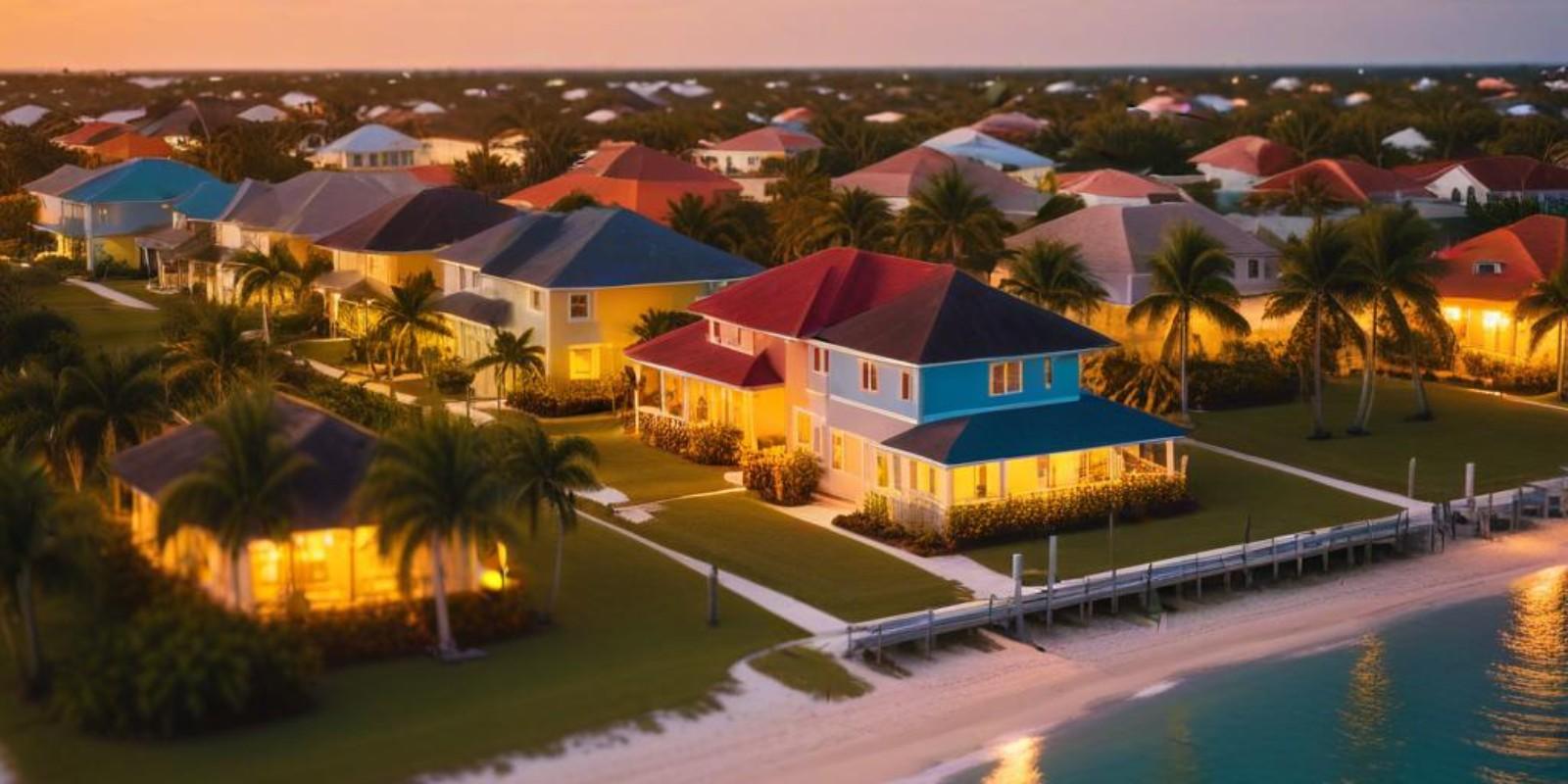
Climate change is an increasingly pressing issue, particularly in vulnerable areas like South Florida, where flooding, hurricanes, and rising sea levels are becoming more frequent and severe. As a result, understanding how these climate-related factors can affect real estate values is essential for buyers and investors looking to make informed decisions. This article will delve into the impact of climate change on property values in South Florida, provide insights on assessing risk, and highlight resilient properties that can withstand environmental challenges.
As the realities of climate change become more apparent, potential homebuyers and real estate investors in South Florida must navigate a complex landscape where environmental risks directly influence property values. The region's unique geography makes it particularly susceptible to natural disasters such as hurricanes and flooding, leading to heightened concerns about future investments. Understanding these risks is crucial for anyone looking to buy or invest in real estate in this beautiful yet vulnerable part of the world. This article aims to equip you with the knowledge needed to make informed decisions while highlighting properties that stand resilient against climate-related challenges.
Real estate values are not immune to the effects of climate change. In South Florida, three primary factors—flooding, hurricanes, and sea level rise—play significant roles in shaping market dynamics.
Flooding is one of the most immediate threats posed by climate change. Areas prone to heavy rainfall or storm surges face increased risks, which can lead to property damage and decreased market value. For instance, homes located in flood zones often require expensive insurance policies or retrofitting, making them less attractive to potential buyers. According to a report by the National Oceanic and Atmospheric Administration (NOAA), properties with a history of flooding can see their value drop by as much as 25% compared to similar homes without such issues.
Hurricanes are another significant concern for South Florida homeowners. The frequency and intensity of these storms have increased over recent years due to climate change. Properties situated in hurricane-prone areas may experience higher insurance premiums or even difficulty obtaining coverage altogether. Buyers should consider investing in homes equipped with hurricane-resistant features—such as impact windows and reinforced roofs—as these properties tend to retain their value better during storm seasons.
Sea level rise poses a long-term threat that could reshape entire communities in South Florida. Coastal properties are at risk of becoming uninhabitable as rising waters encroach upon land. A study conducted by the Union of Concerned Scientists indicates that nearly 300,000 homes in Florida could be underwater by 2045 if current trends continue. Investors should be aware that properties located further inland or elevated above projected flood levels are likely to maintain their value better than those closer to the coast.
To illustrate how some properties have adapted successfully to climate-related challenges, let's explore three case studies showcasing resilience in real estate.
In Miami's neighborhoods, many new developments are being built with elevation in mind. Homes raised above base flood elevation not only comply with local regulations but also offer peace of mind for homeowners concerned about flooding risks. One notable example is a community called "Bay Point," where developers have prioritized building elevated homes that feature innovative drainage systems designed to manage heavy rainfall effectively. These properties have seen stable appreciation rates compared to other homes in lower-lying areas.
Fort Lauderdale has embraced sustainable building practices as a means of combating climate change impacts. One standout project is "The Wave," a mixed-use development featuring green roofs, permeable pavement, and energy-efficient systems designed to minimize environmental footprints while maximizing resilience against storms and flooding. Buyers interested in eco-friendly living can find comfort knowing that such developments not only contribute positively to the environment but also tend to hold their value well over time.
Key West has become a model for innovative flood-resistant designs through its "Resilient Key West" initiative. This program encourages homeowners to incorporate features like elevated foundations and flood vents into their designs. Properties built under this initiative have shown remarkable resilience during recent storms, maintaining their market value even amid adverse conditions. As buyers seek out homes that can withstand nature's unpredictability, these innovative designs offer both security and aesthetic appeal.
When considering a property purchase in South Florida, it's vital for buyers and investors to assess risk thoroughly. Here are some key steps:
By taking these steps, buyers can make informed decisions that protect their investments while contributing positively to community resilience.
As climate change continues to reshape our environment, understanding its impact on real estate values is essential for anyone looking to buy or invest in South Florida properties. By recognizing the risks associated with flooding, hurricanes, and sea level rise—and seeking out resilient properties—buyers can make informed choices that safeguard their investments while promoting sustainability within their communities. Remember that investing wisely today means securing your future tomorrow. If you're ready to explore resilient real estate options or have questions about navigating this evolving market, reach out to Jazmin Lowenberg at Jazmin Lowenberg. Together we can find the perfect property tailored just for you!
It's advisable to consider flood insurance and hurricane coverage as essential components of your policy portfolio due to the region's susceptibility to severe weather events.
You can check FEMA's Flood Map Service Center online for detailed information regarding flood zones and risk assessments for specific addresses.
Yes! Some local governments offer tax credits or grants for homeowners who invest in energy-efficient upgrades or flood-resistant features.
Local governments often implement policies aimed at improving infrastructure resilience, enhancing emergency preparedness plans, and promoting sustainable development practices.
Yes! Investing in coastal properties can still be viable; however, thorough research on risk mitigation strategies is crucial before making any commitments.

I’m Jazmin Lowenberg, a Realtor with 17 years of experience in the real estate and investment market across the United States. I've lived in Florida for over 20 years and specialize in residential and vacation properties throughout South Florida’s most exclusive areas, including Brickell, Miami, and surrounding communities.
I work with buyers, sellers, and investors — both local and international — providing strategic, transparent, and results-driven guidance. As part of eXp Realty, I have the support of a professional team that ensures an efficient, full-service experience.
How to Navigate Rising Insurance Costs in Florida Real Estate
Rising home insurance premiums are reshaping Florida's real estate market, impacting buyer behavior and investment strategies. Understanding these dynamics and employing smart strategies can help buyers and investors navigate challenges while making informed decisions.
Housing Market Information | The Latest Industry Updates 2025
The real estate market in South Florida has grown by 15% in sales during the first half of 2025, with an average price of $350 per square meter. Neighborhoods like Miami-Dade and Fort Lauderdale stand out for their high demand for luxury homes and condos.
Understanding South Florida Housing Market Trends
South Florida's housing market is booming, with rising property values driven by low inventory and high demand. Understanding buyer demographics and migration patterns is crucial for buyers and investors navigating this competitive landscape.